WHAT ARE POLYNUCLEOTIDES?

Polynucleotides are gaining significant attention in the field of aesthetic treatments due to their remarkable ability to enhance skin health and rejuvenation. Derived from the basic building blocks of DNA and RNA, polynucleotides have unique properties that make them highly effective in various cosmetic and therapeutic applications. Let’s delve deeper into what they are and how they are revolutionising aesthetic treatments. Contact Us to know more.
facial aesthetics jpg

1. Enhanced Skin Regeneration

Polynucleotides are long chains of nucleotides, which are the basic building blocks of DNA and RNA. These molecules play a crucial role in cellular functions, including the repair and regeneration of skin cells. When applied to the skin, they help stimulate the body’s natural healing processes, leading to improved skin texture and elasticity. This regenerative capability makes polynucleotide treatments particularly effective for individuals with ageing skin, scars, or other skin imperfections.

The science behind this regenerative effect is fascinating, as they work by mimicking the body’s natural repair processes. When skin cells are damaged, they send out distress signals to recruit resources necessary for healing. Polynucleotides enhance this communication, ensuring that cells receive ample support to repair and regenerate. This results in quicker healing times and a significant improvement in the overall quality of the skin.

2. Boosted Hydration

One of the key benefits of polynucleotide treatments is their ability to enhance skin hydration. By promoting the production of hyaluronic acid and other natural moisturizing factors, polynucleotides help maintain the skin’s moisture balance. This not only keeps the skin looking plump and youthful but also strengthens the skin barrier, making it more resilient against environmental stressors.

Adequate moisture levels prevent dryness and flakiness, reducing the risk of irritation and the formation of fine lines.  This is particularly beneficial for individuals living in harsh climates or those who are frequently exposed to environmental pollutants.

3. Reduced Inflammation and Redness

Polynucleotide treatments have been shown to possess anti-inflammatory properties. This makes them an excellent option for individuals with sensitive or irritated skin conditions, such as rosacea or eczema.

Inflammation is a major contributor to many skin issues, including acne and chronic conditions like psoriasis. They target the inflammatory pathways leading to clearer and more even-toned skin. Regular use of polynucleotide treatments can help manage flare-ups and maintain a calm, balanced complexion.

4. Accelerated Wound Healing

For those dealing with wounds, scars, or post-surgical marks, polynucleotide treatments offer a promising solution. These treatments accelerate the wound healing process by enhancing the proliferation of fibroblasts and keratinocytes, which are essential for skin repair. Faster healing times mean less downtime and quicker recovery, making them a popular choice for post-procedural care.

The application of polynucleotides in wound healing extends beyond cosmetic benefits. They can be used in medical settings to aid in the recovery of surgical patients, burn victims, and those with chronic wounds. The accelerated healing process not only improves patient outcomes but also reduces the risk of complications such as infections and excessive scarring.

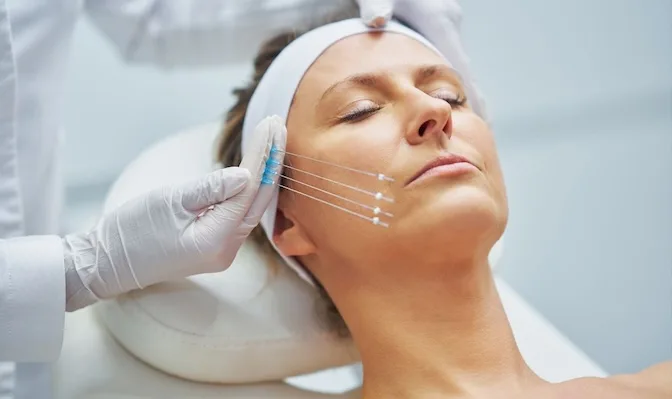
Close-up portrait of young, beautiful and healthy woman with arrows on her face. The spa, surgery, face lifting and skin care concept

5. Minimized Signs of Aging

Ageing skin often presents with fine lines, wrinkles, and loss of firmness. Treatments involving specific nucleotides can address these signs by promoting collagen production and improving skin elasticity. Regular use of such nucleotide-infused products or treatments can result in a noticeable reduction in the appearance of wrinkles and a firmer, more youthful complexion.

Collagen is a crucial protein that provides structure and elasticity to the skin. As we age, collagen production naturally declines, leading to sagging and wrinkling. These treatments stimulate the skin’s fibroblasts, the cells responsible for collagen synthesis, effectively reversing some of the visible signs of aging. This makes nucleotide-based therapies a valuable tool in the anti-aging arsenal, offering a non-invasive alternative to more aggressive procedures like fillers or surgical lifts.

Nucleotide-based therapies represent a significant advancement in aesthetic treatments, offering a comprehensive approach to enhancing skin health and appearance. Their ability to stimulate regeneration, boost hydration, reduce inflammation, accelerate healing, and combat aging makes them a valuable tool in dermatology and cosmetic medicine.

For those seeking innovative solutions for skin rejuvenation, these treatments provide a safe and effective option. Consult with a skincare professional to determine how they can be tailored to meet your specific needs. Embrace the future of skincare with these transformative therapies and achieve healthier, more youthful skin.